


Current Project
Boğaziçi University Tarsus-Gözlükule Excavation and Research Project
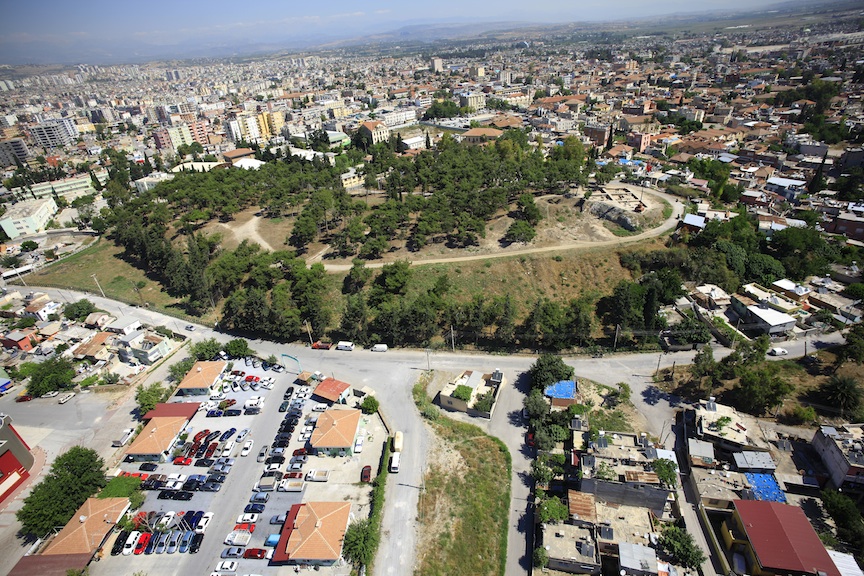
In 2001, Boğaziçi University, History Department launched a new excavation and research project on the mound of Tarsus-Gözlükule. The objective of the current project is to obtain new data that would provide explanations to some questions raised but not fully answered by the Goldman excavations, within the framework of the reemerging academic dialogue from the recent excavations in the northeastern Mediterranean. Furthermore, utilizing new archaeological techniques and technologies, the aim is to reevaluate the data from the previous excavation project, along with carrying out controlled excavations to study the stratigraphic relations of the various periods.
First Phase of the Research (2001–2006)
During the initial phase of the project, an interdisciplinary team carried out several critical tasks:
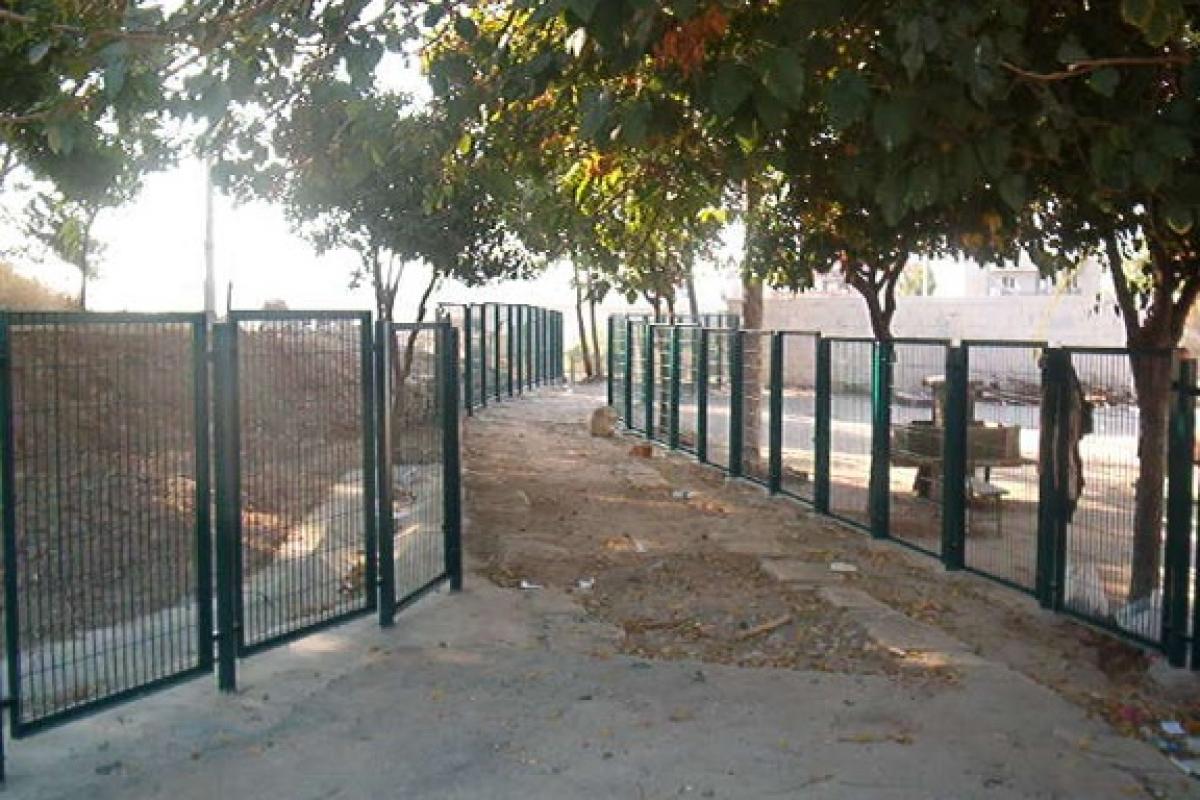
- Site Preservation: Assessing the condition of the mound to stabilize vulnerable areas. The Ministry of Culture and Tourism constructed a fence along the flanks to protect the site.
- Digital Archiving: Evaluating non-inventoried study material from Goldman excavations. In 2004, these were transferred to Boğaziçi University’s depot in Tarsus and recorded in a digital archive.
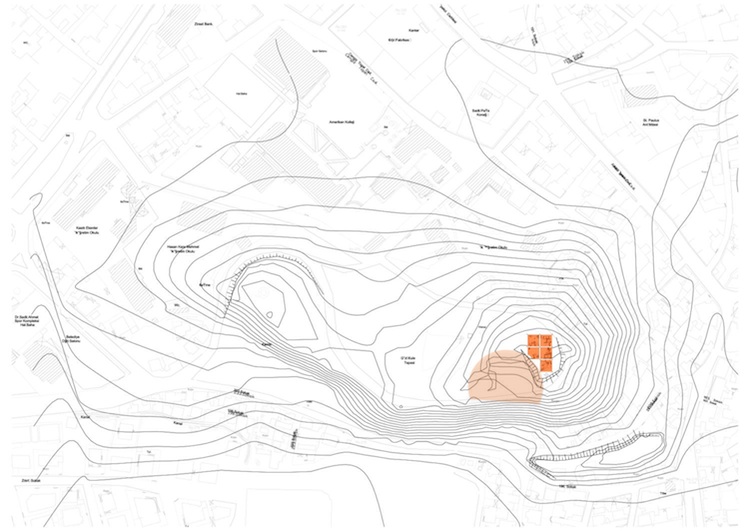
- Geodesy & Geophysics: KOERI (Kandilli Observatory) prepared a new topographical map and used Ground Penetrating Radar (GPR) to investigate underground architectural remains.
- Geomorphology: Ege University took core samples from the mound and surrounding plain to understand geomorphological changes through time.
- Surveys & Publications: Conducting surface surveys to understand settlement stratigraphy and publishing research results (Özyar 2005).
And The Excavations Begin …
The second phase began in 2007 with two 10x10 trenches. By 2008, the area expanded to 500m² across five trenches. The excavations revealed a rich stratigraphic sequence:
Medieval & Abbasid Periods: The main settlement phase belongs to the Abbasid period (8th century AD). The excavations uncovered sizeable elite houses with advanced drainage systems, reflecting new hygiene traditions and cultural influences from Mesopotamia.
Late Antique & Roman: Beneath the Medieval strata, Late Antique buildings were found, often reused by Abbasid settlers. In the northern trenches, a Roman period burial and votive area yielded thousands of lamps, figurines, and theatrical masks dating to the 3rd-4th century AD.
Late Bronze II: Excavations have exposed the decayed mudbrick collapse of a very large building. Finds include both Late Helladic III and Hittite ceramics, including a pithos inscribed with hieroglyphic Luwian signs.
The study material is now housed in the restored cotton gin factory located in Tarsus.