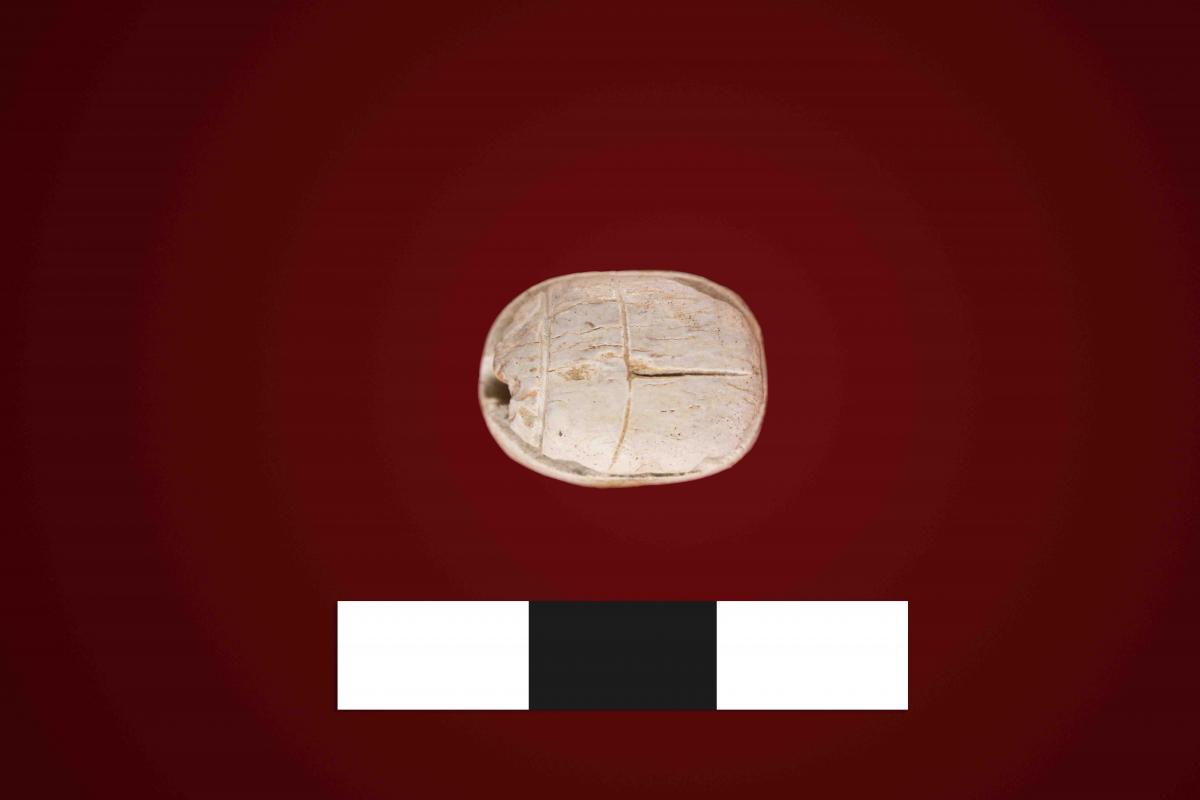
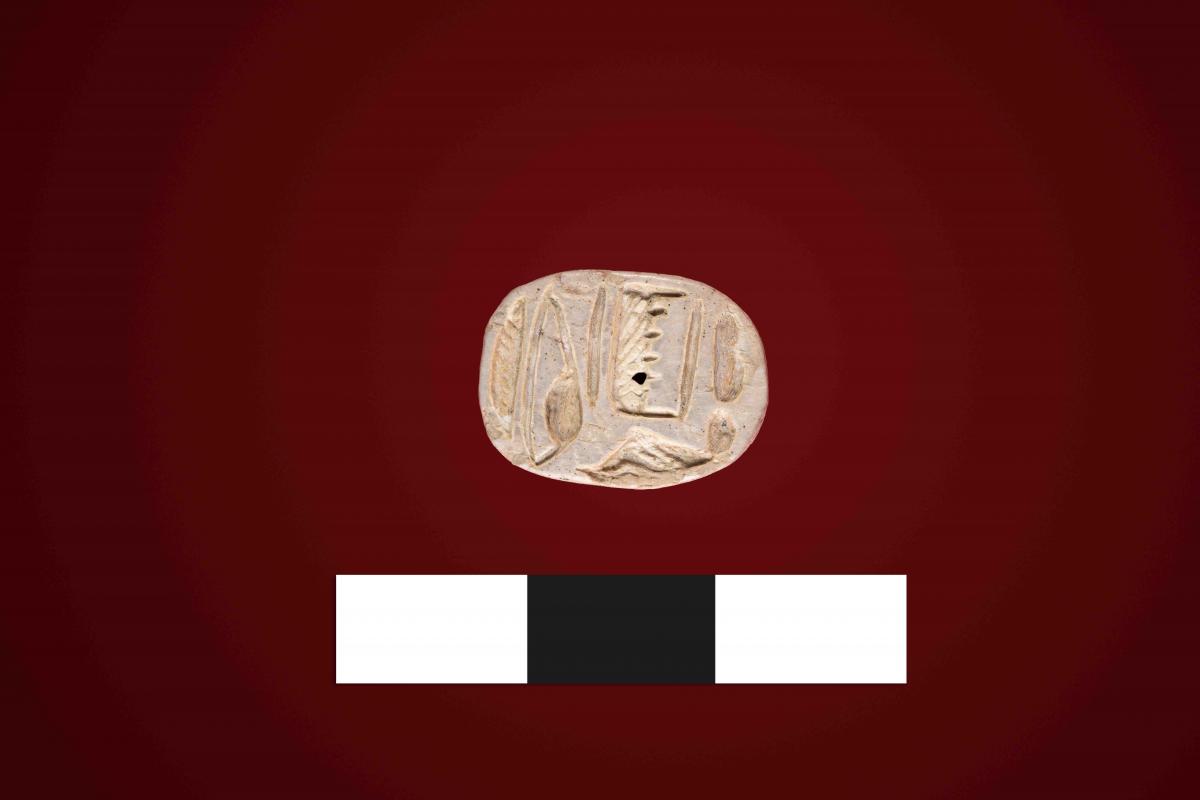
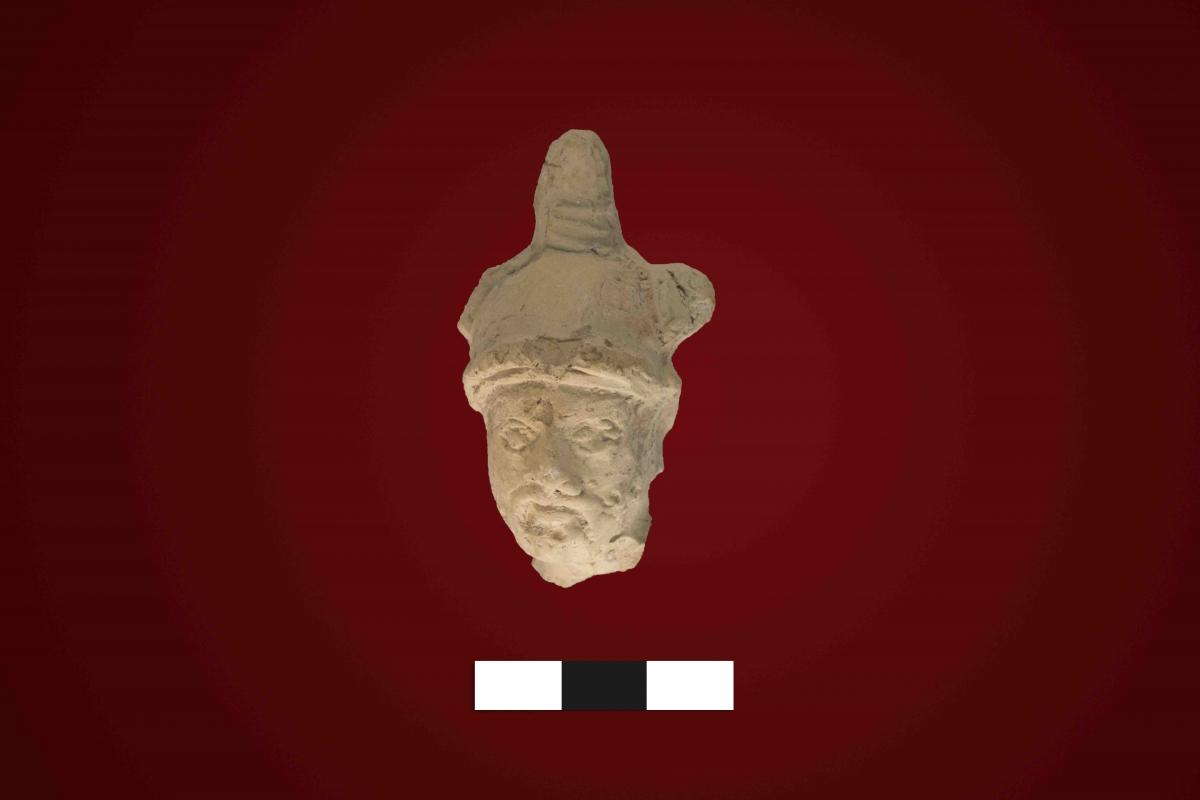
Current Project
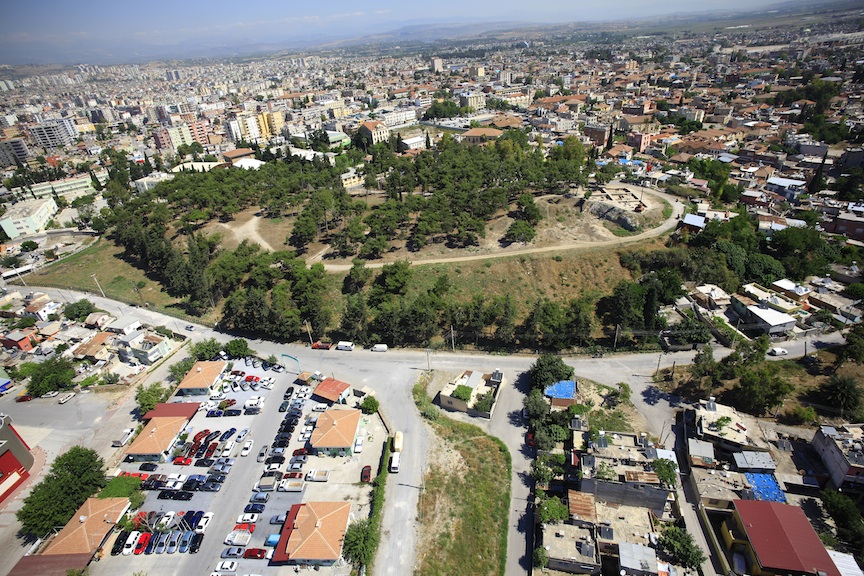
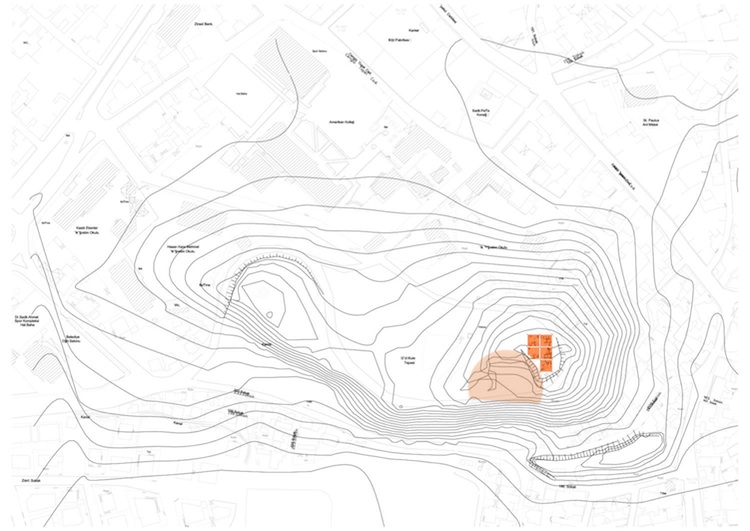
Gözlükule Mound, 2012, 5 trenches Topographic Plan of the mound - New Trenches by Goldman Section A
Boğaziçi University Tarsus-Gözlükule Excavation and Research Project
In 2001, Boğaziçi University, History Department launched a new excavation and research project on the mound of Tarsus-Gözlükule. The objective of the current project is to obtain new data that would provide explanations to some questions raised but not fully answered by the Goldman excavations, within the framework of the reemerging academic dialogue from the recent excavations in the northeastern Mediterranean. Furthermore, utilizing new archaeological techniques and technologies, the aim is to reevaluate the data from the previous excavation project, along with carrying out controlled excavations to study the stratigraphic relations of the various periods.
First Phase of the Research
Initiated by the History Department, a reconnaissance trip to the mound of Gözlükule at Tarsus was undertaken in September 2000 and an interdisciplinary team began the fieldwork in September 2001. During the initial phase of the project between 2001-2006 the work carried out is as follows:
Assessing the present condition of the mound to contain and stabilize vulnerable areas. As the first step to protect the site, the Ministry of Culture and Tourism constructed a fence along the northern and southern flanks of the mound.
Evaluating the non-inventoried study material from the Goldman excavations stored in the depots of Adana Museum. In April 2004 the study collection of the Goldman excavations was transferred to Boğaziçi University's excavation depot in Tarsus where the material was sorted out and recorded in a digital archive to facilitate easy access for research purposes.
Measuring and recording of the mound and its vicinity. The Geodesy Department of Kandilli Observatory and Earthquake Research Institute (KOERI) of Boğaziçi University prepared a new topographical map of the mound using current measurements. The Geophysics Department of the same institute used Ground Penetrating Radar to investigate underground architectural remains at the mound. The Geomorphology Department of Ege University took a series of core samples from the mound and the surrounding plain to understand the geomorphological changes through time.
Conducting surface survey on and around the mound. Surveys were carried out in different areas of the mound to understand settlement stratigraphy.
Publishing the results of the research project. Various research studies carried out on the Goldman study collection and on the mound were published in 2005 (see Özyar 2005). And yearly reports presented at the annual symposia organized by the Ministry of Culture and Tourism are accessible here.
And The Excavations Begin …
As the second phase of the project, excavations on the mound began in the summer of 2007 with two 10x10 trenches. These initial trenches are located on a not previously excavated area at the highest part of the mound, to the north of the Goldman Area A. Since 2008 the total number of trenches are raised to five, covering an area of 500m2.
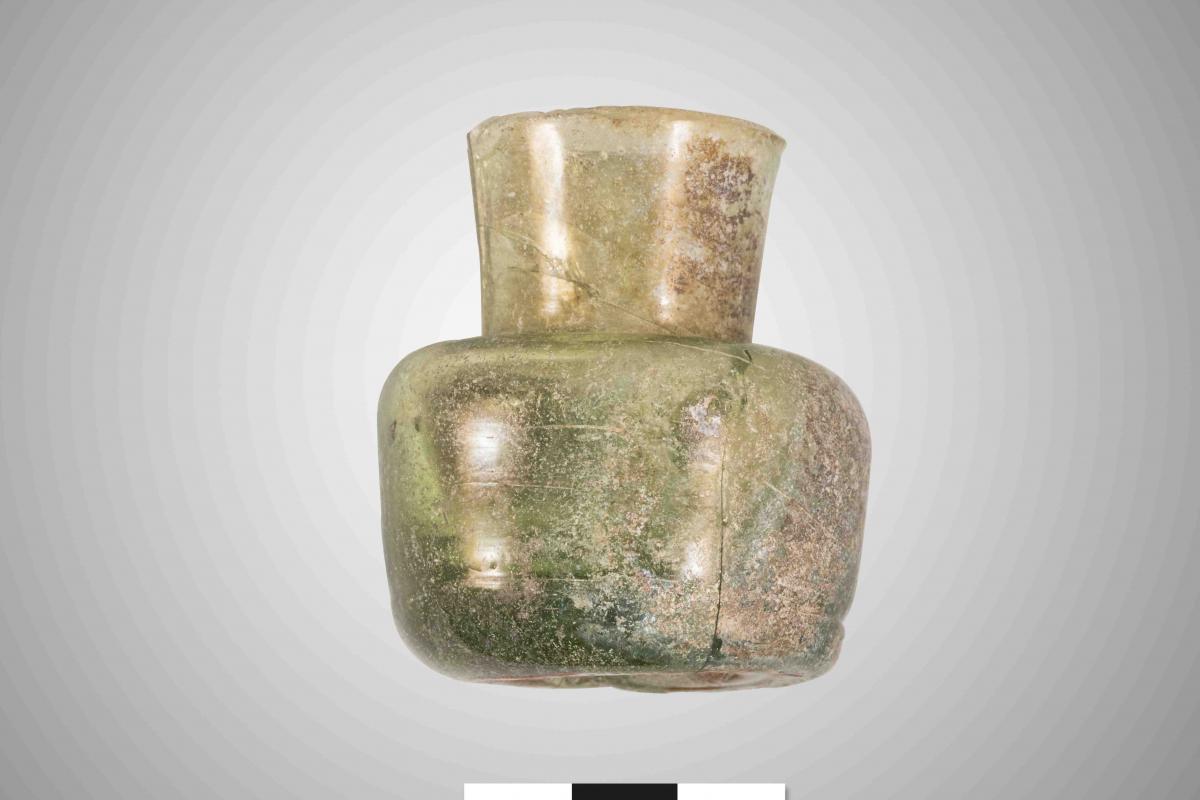
The new excavations revealed that, the top stratum of the mound dates to the Medieval period, Late Medieval phase, dating to the 13th century AD, is only attested as large disturbance areas. The main settlement phase of the Medieval period excavated on the mound belongs to the Abbasid period. Its capital in Bagdad, the Abbasid Empire seized Cilicia as a tactical maneuver in its military campaigns against the Byzantine Empire during the second half of the 8th century AD. Settling also in Tarsus, they built sizeable houses on the highest part of the mound. Some new traditions brought to the region by the Abbasids are manifest in the archaeological record: Drainage systems built along the houses must have been a reflection of the changing attitudes in hygiene; changes in the eating and drinking traditions are clearly attested in the daily cooking pots and tableware. Furthermore, the influence of the empire’s artistic and cultural center in the south Mesopotamia is reflected in the ceramic assemblage. The finds excavated in this residential area indicates that people living here belonged to an elite group.
Late Antique settlement is right beneath the Medieval stratum such that the Abbasid buildings have often reused some of the walls of this phase in their own buildings. For this very reason both Late Antique and Abbasid period buildings have the same orientation and their construction techniques are similar. Therefore, it is noteworthy that along with the changes mentioned above there are also certain continuities. Even though the Abbasids have settled in the region as invaders, nevertheless they have adopted certain local traditions.
Using material culture analysis the on-going research focuses on the differences and continuities between these two periods that have been richly recorded in the written sources but previously poorly investigated in the region archaeologically.
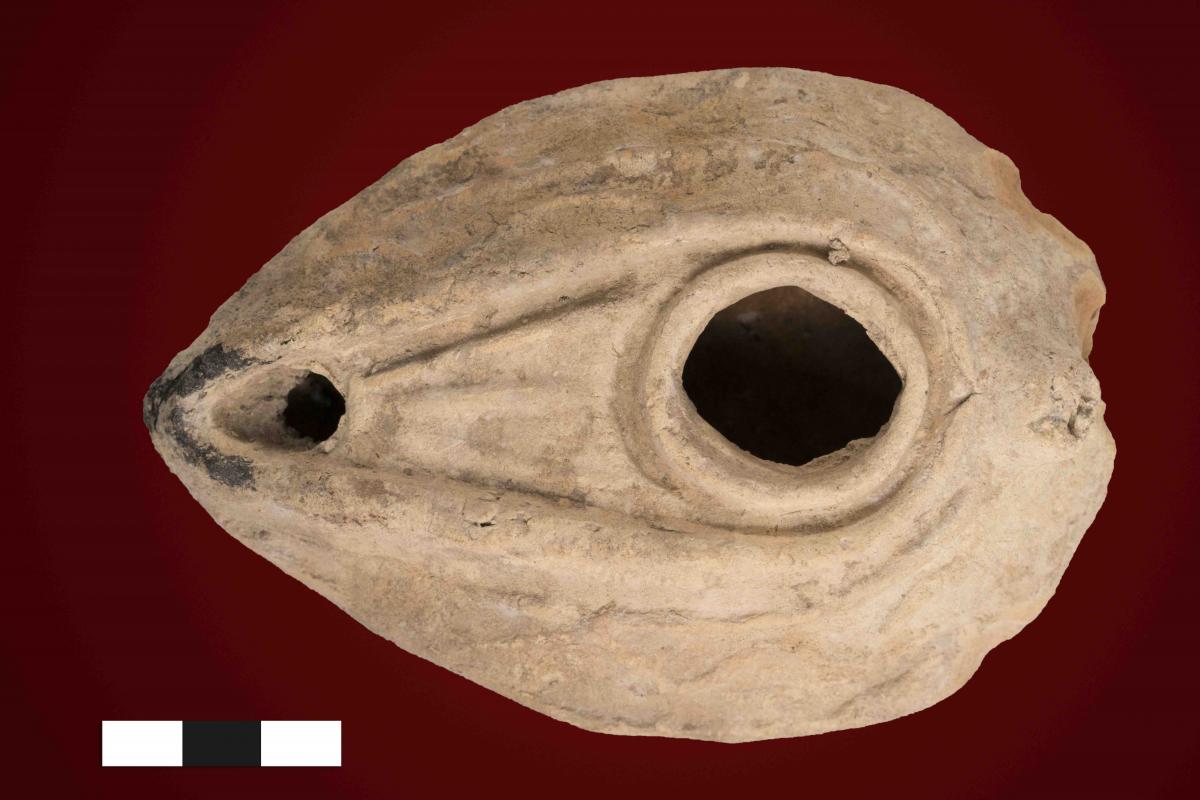
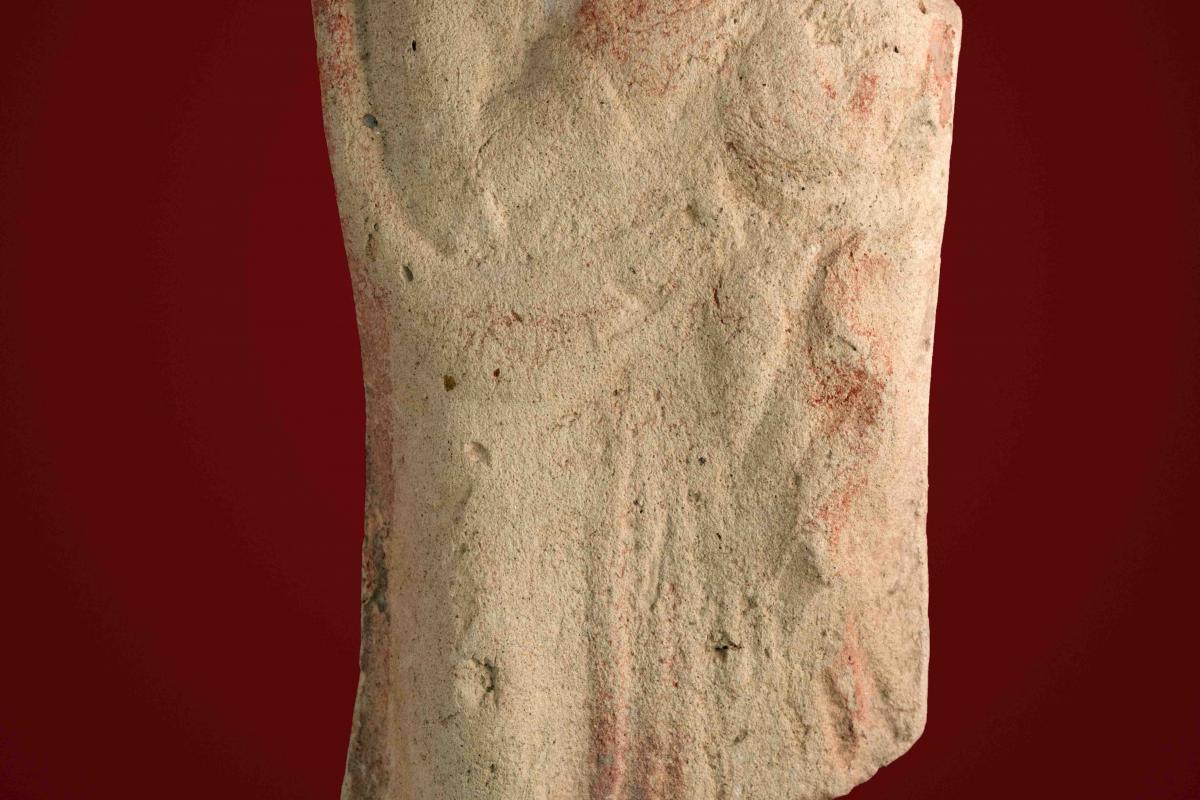
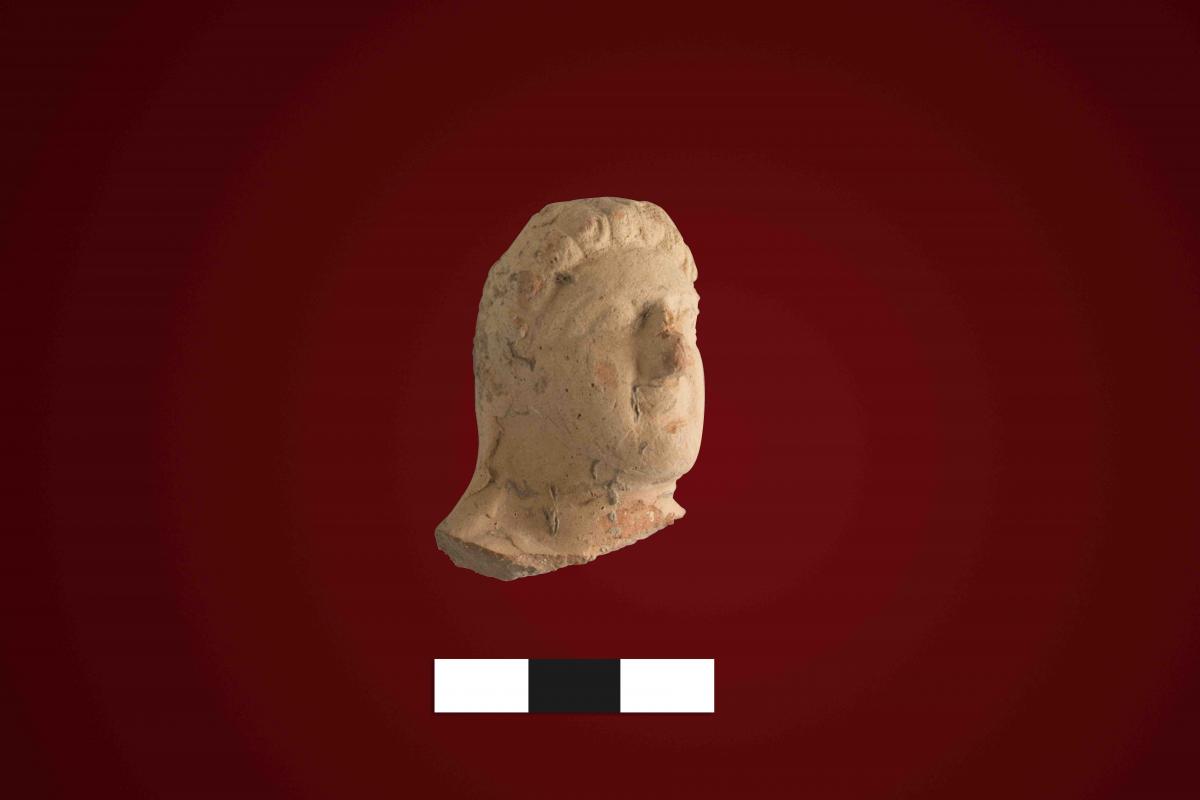
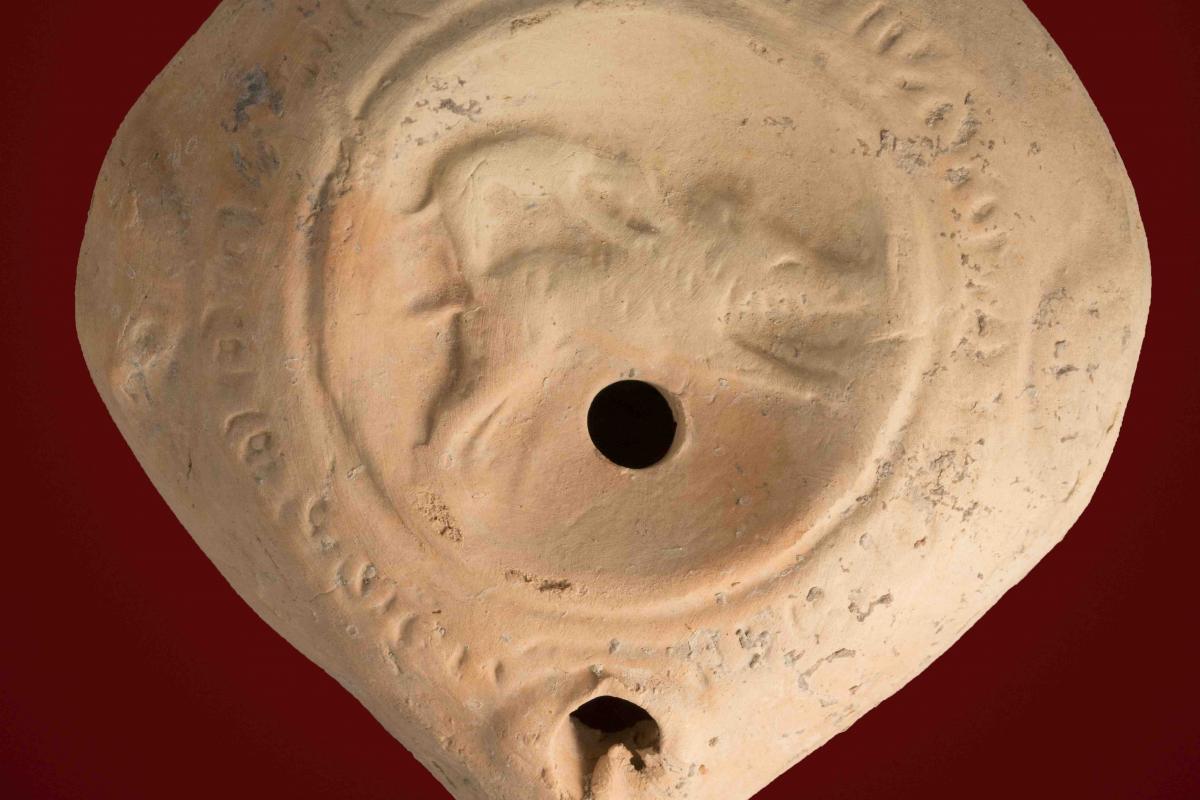
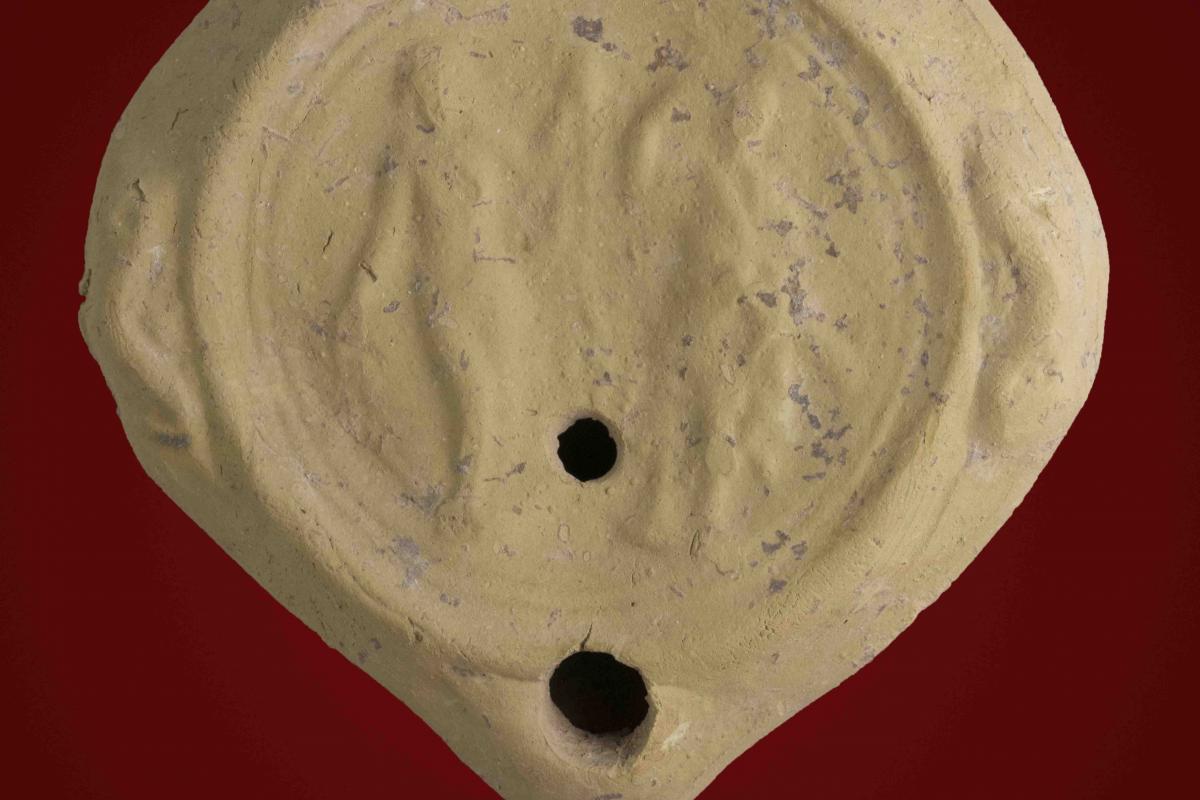
In the northern part of the trenches we have uncovered Roman period remains. The burial area that yielded mostly votive lamps as well as figurines and theatrical masks is composed of a ritually disposed votive offerings of a temple. Dated to the 3rd-4th c. AD., this deposit yielded thousands of lamp, hundreds of figurine, and numerous votive theatrical mask fragments.
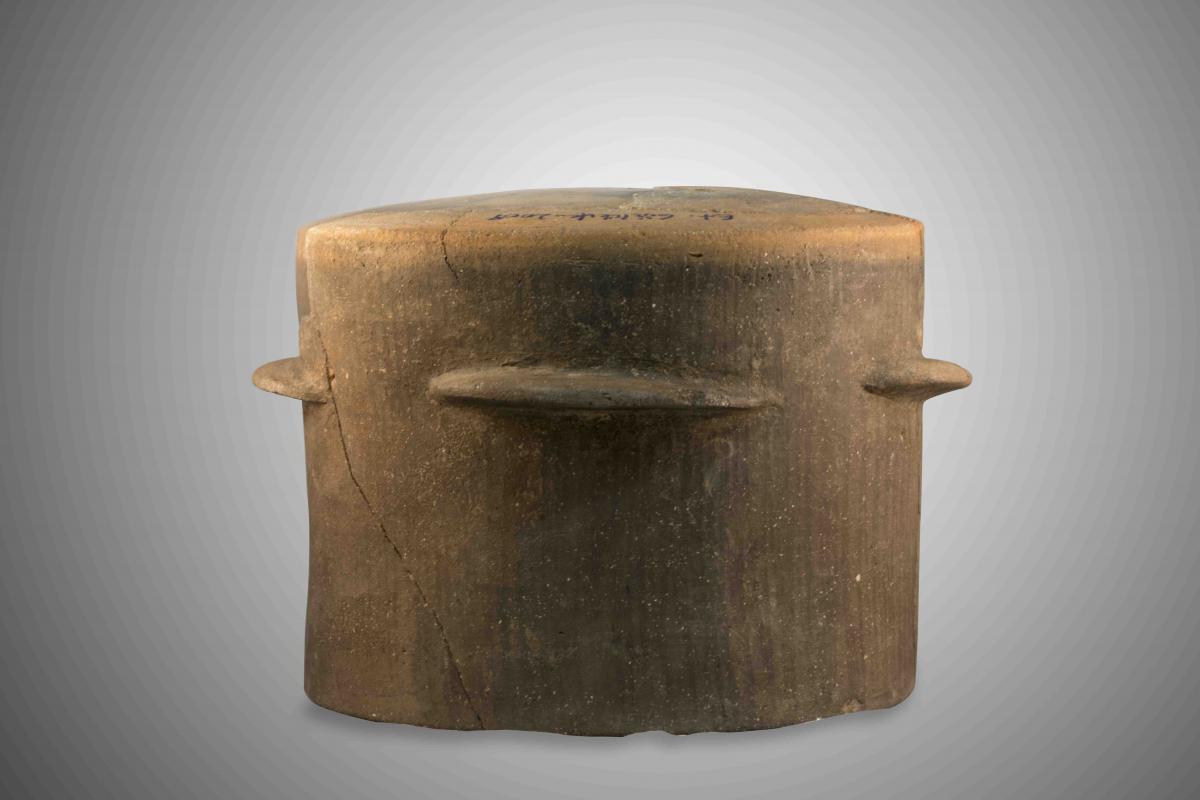
Beneath these later strata terraced into the northern part of the prehistoric mound, the Late Bronze II stratum is also being exposed. So far the excavations have been unearthing the decayed mudbrick collapse of a very large building and some poorly preserved architectural remains built into this mudbrick debris. The pits that have been dug into this collapse produced both Late Helladic III and Hittite period ceramics. A pithos, found in situ, was placed clearly cutting the architectural remains around it. It is noteworthy that two hieroglyphic Luwian signs were inscribed on its shoulder before firing.
The study material from the current excavations as well as the study collection of the Goldman excavations, which was previously kept in the depots of the Adana Museum, are now housed in the restored cotton gin factory located in Tarsus, which belongs to the Ministry of