Excavation History
 |
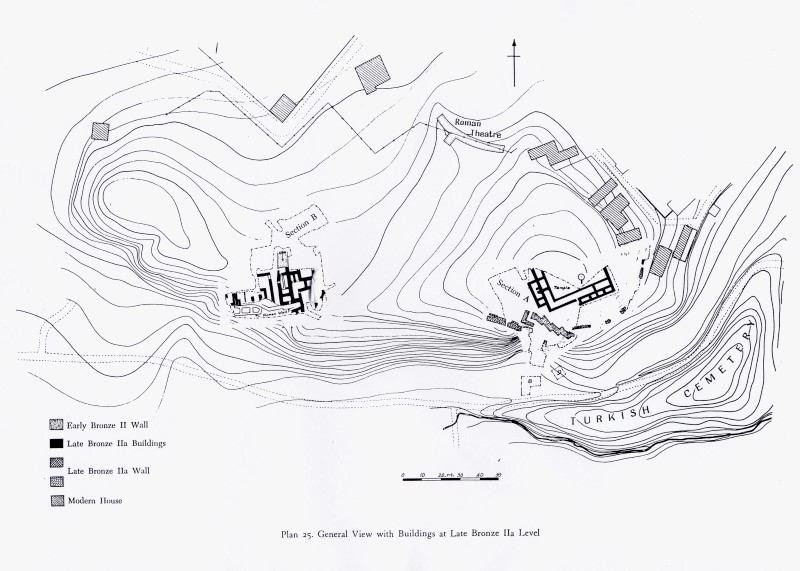 |
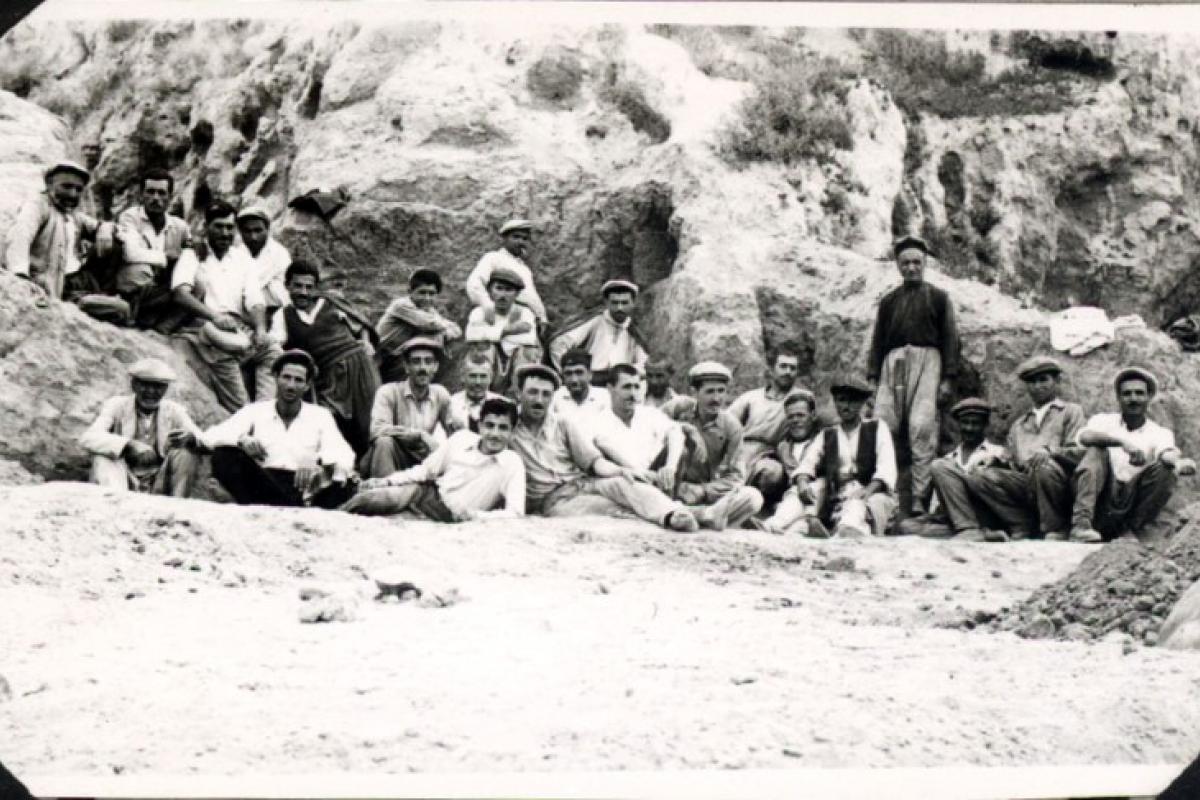
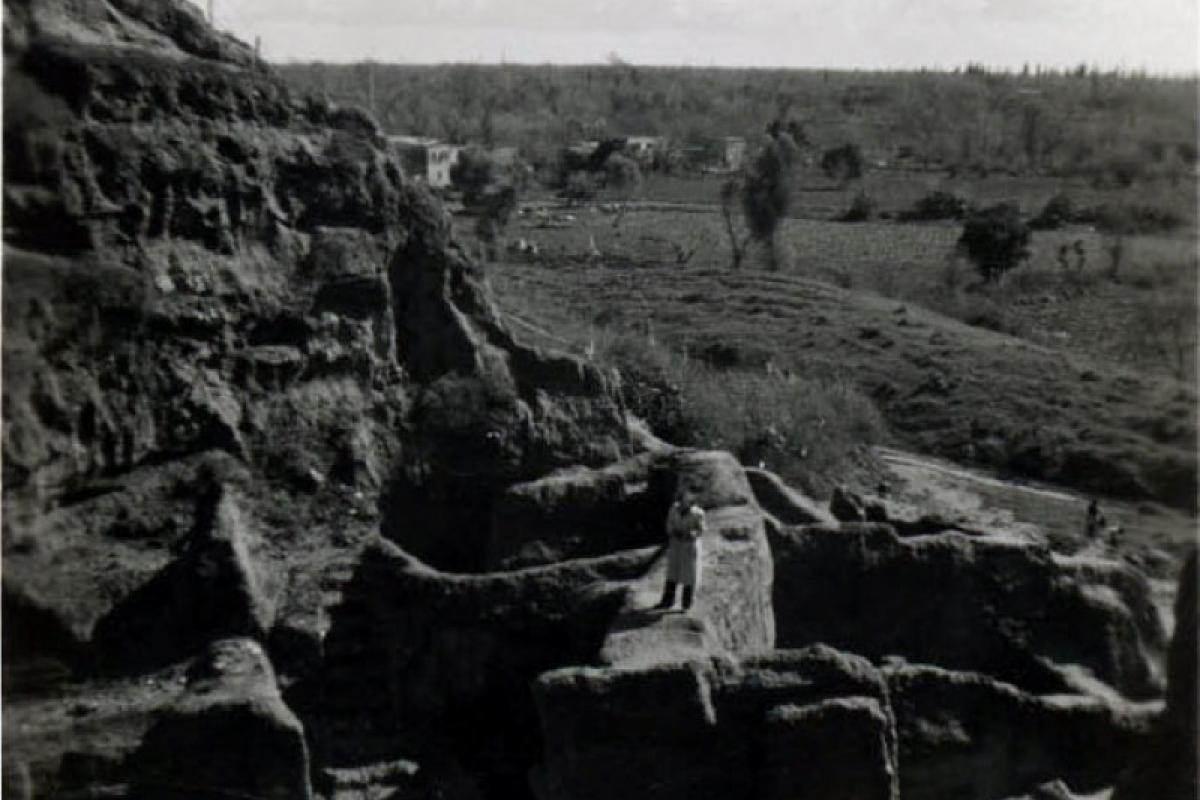
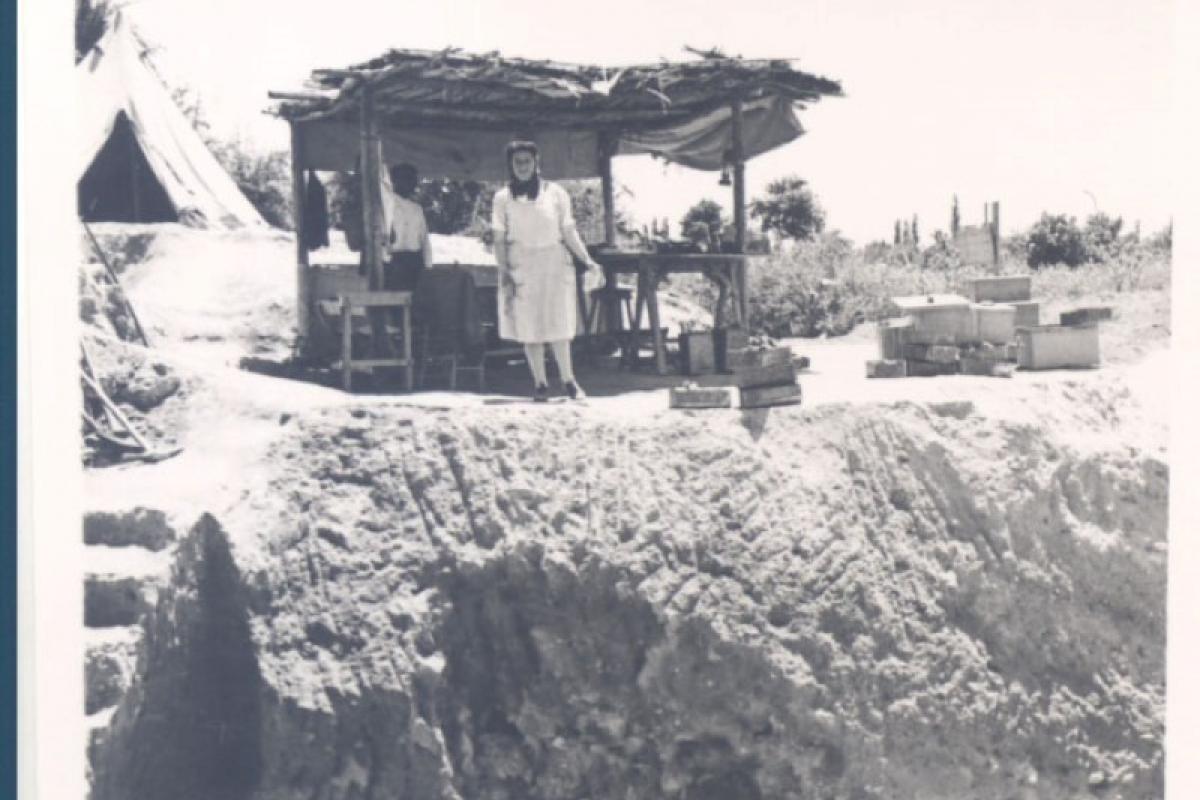
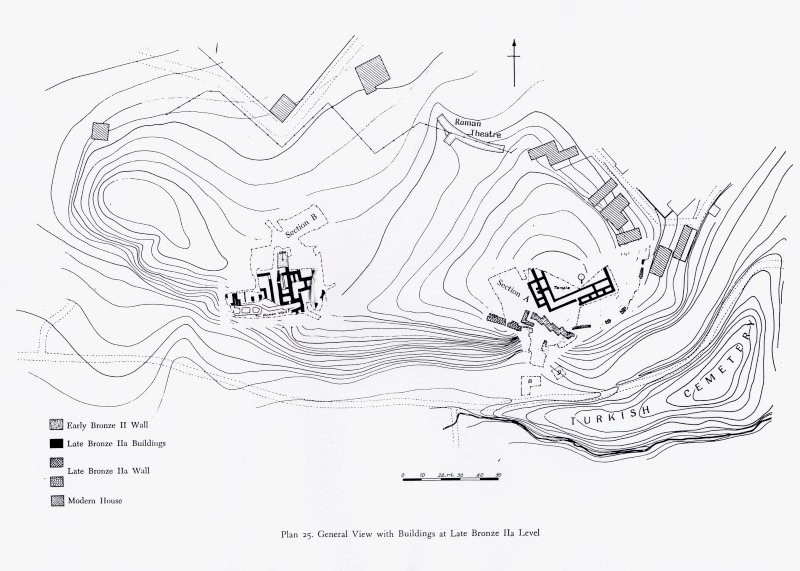
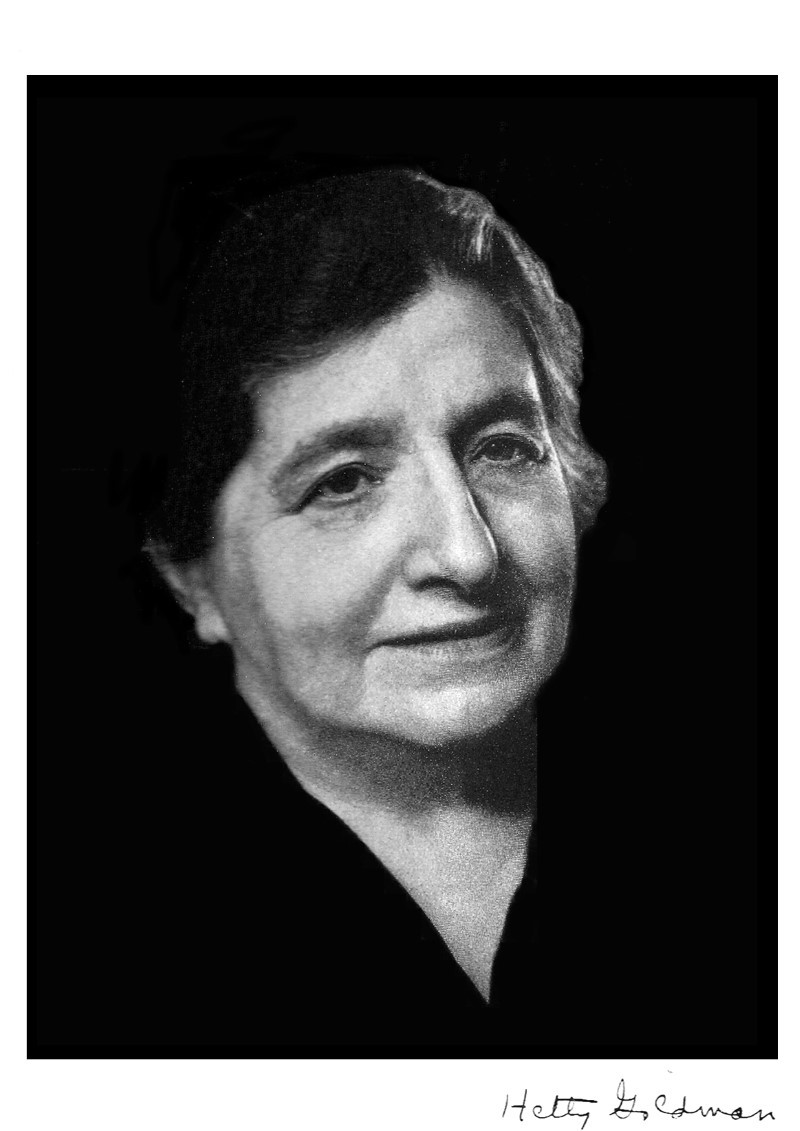
| Hetty Goldman, Director of the Excavation | Plan of the mound, Goldman excavation areas A and B |
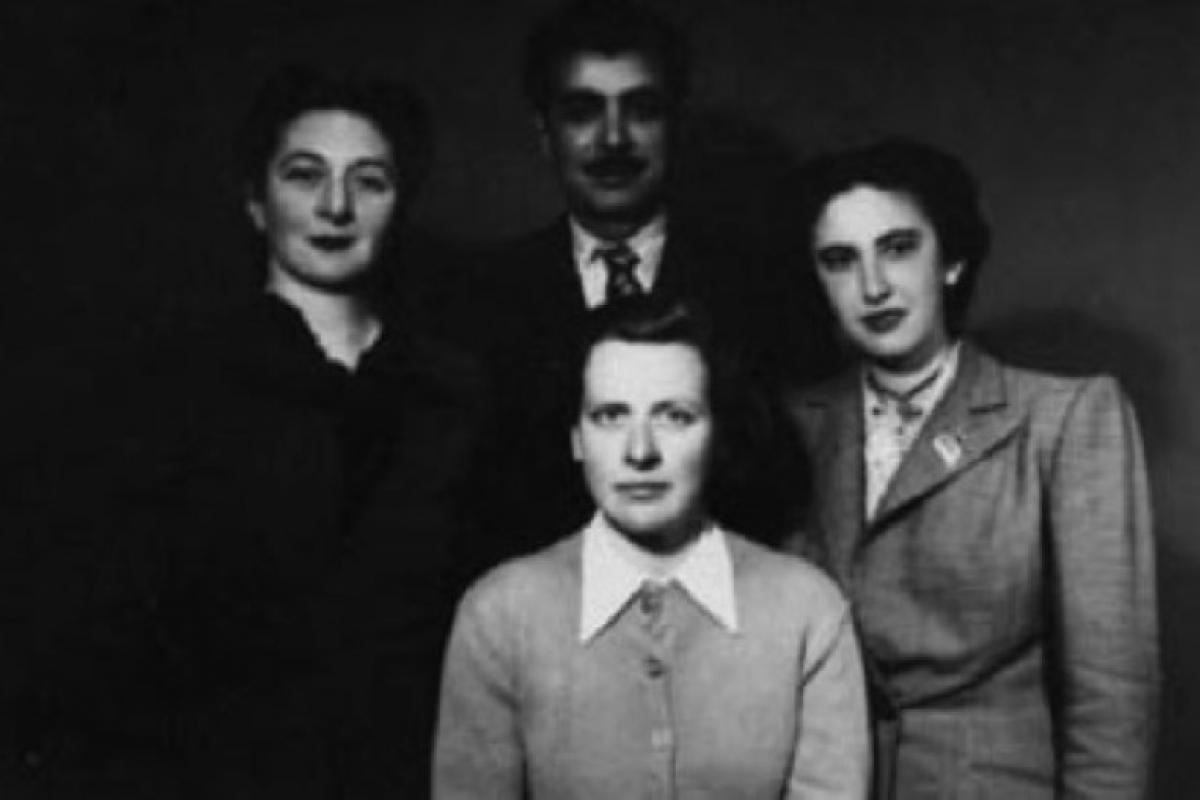
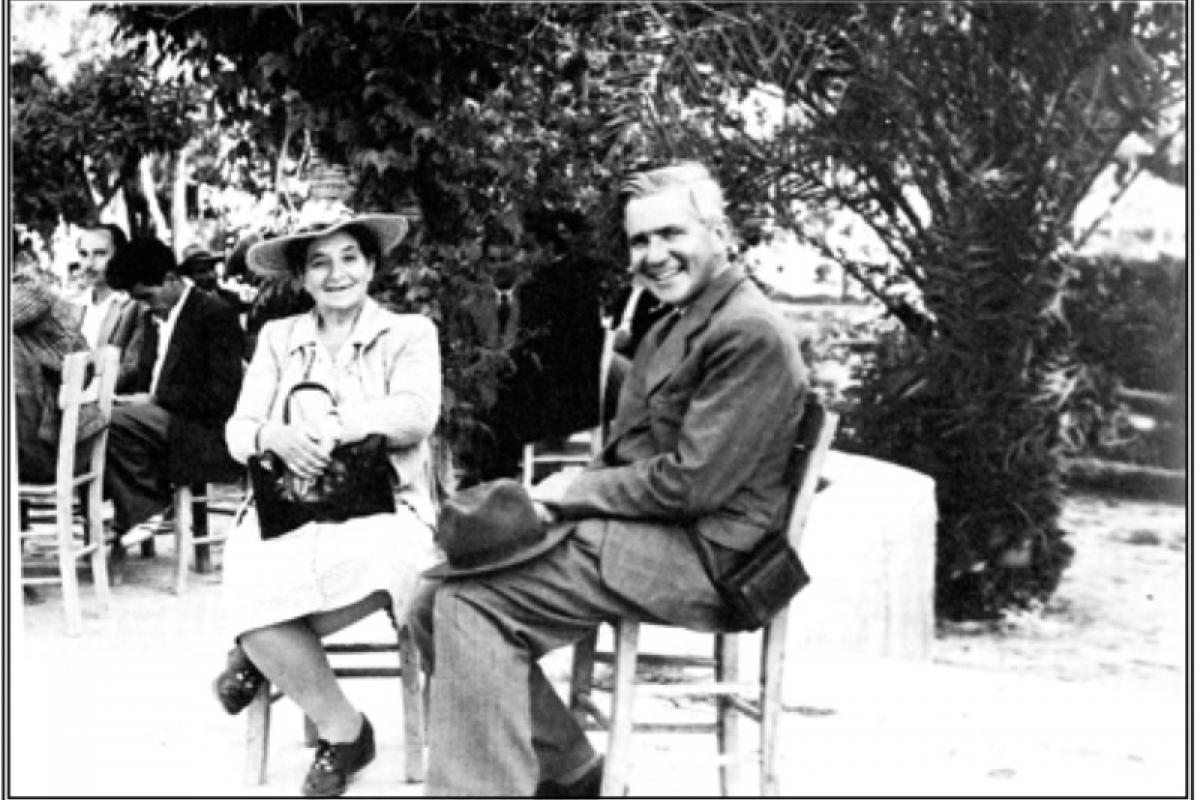
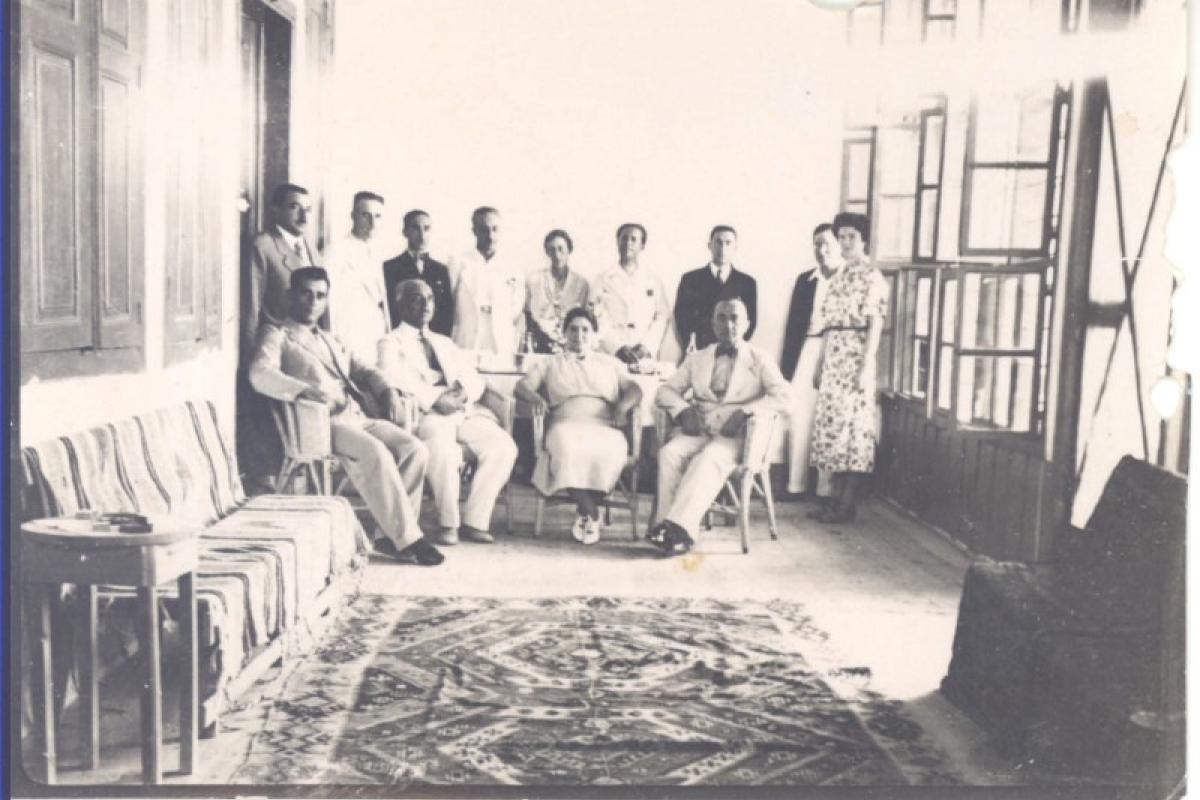
Besides the 9 millennia of uninterrupted settlement on the mound of Tarsus-Gözlükule, the story of the excavations and the important personae associated with these projects constitutes another facet of the mound’s history. The project is pivotal for Anatolian archaeology due to the techniques employed on the field, and the resulting final publications are still one of the cornerstones for the history of the region in particular and Anatolia in general. Moreover, many of the archaeologists who worked on the mound were women (an unusual feature for its time), some of who became influential figures in defining the field of Eastern Mediterranean archaeology. The hardships they overcame to complete their work such as insufficient funding, the prejudice against females in the field, and the World War II, created legacies to be praised by the generations to come.
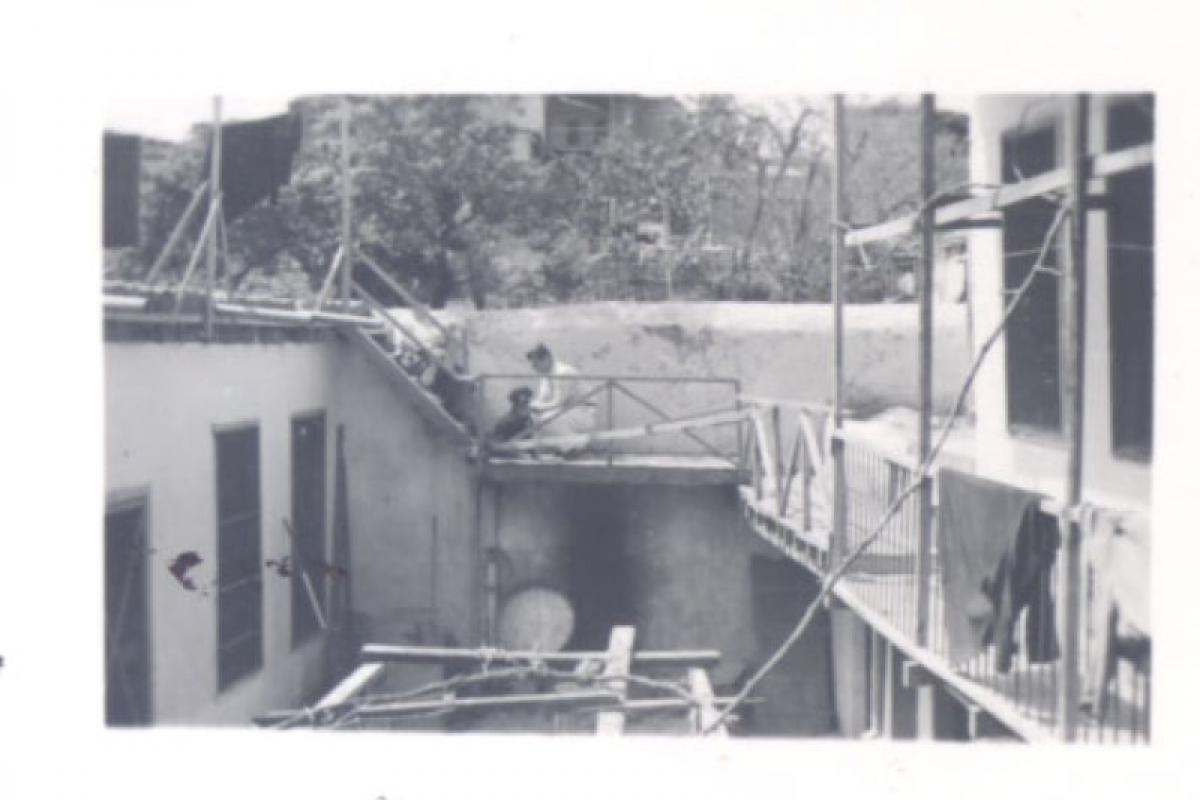
The American team, led by Hetty Goldman, started work on the plain of Cilicia in 1930’s primarily to understand the nature of the Hittite Empire’s interest and presence in the region and to address the issue of Ahhiyawans mentioned in the Hittite texts suggested to be the Mycenaeans (Achaeans). The team started their work by conducting a survey in the region during which they also visited Tarsus. They opened trial trenches on the mound of Gözlükule as part of their survey research, which yielded Hittite period ceramics, along with evidence pointing to contacts with the settlements of the Northeastern Mediterranean and the Aegean. These results provided strong incentive to return to the site for excavation in 1935, under the auspice of Bryn Mawr College, along with the Archaeological Institue of America and Harvard’s Fogg Museum.
Excavations concentrated in two areas, referred to as area A and area B. The excavations on the highest part of the mound, area A, exposed sections of a monumental administrative building dating to the Hittite period. In this building, a rich sample of Hittite Empire period pottery and bullae with the impressions of Hittite hieroglyphic stamp seals were found.
In 1936, the excavations continued with an even larger team. The fieldwork revealed that the Hittites had a strong political, as well as cultural influence in the region, substantiated by the discovery of a Hittite land deed tablet and several new Hittite bullae, one of which is from Queen Puduhepa, the wife of Hittite king Hattushili III.
In 1937 the team members came back for another season of fieldwork. Commenting on the Hittite presence in Tarsus and evidence of trade with other regions, Goldman states that Tarsus was “the strong arm of the Hittites” in Cilicia.
Despite the problems with finding sufficient funding and the emerging conflict in Europe, excavations continued in 1938. Due to family emergency, Golman had to return to the United States during the excavation season but the experienced team members ran the dig smoothly.
There was a hiatus to the excavations during the World War II years but Goldman expressed her will to go back to Tarsus to finish the excavation and study the materials unearthed in depth; “The excavations at Tarsus represent a pioneer study of this region of Anatolia and I feel that it is my professional duty to complete it before I undertake any other work.”
In 1947 Goldman called together a new team to continue the work in Tarsus. The group investigated the sequence of Early Bronze Age levels, which constitutes the majority of the vertical elevation of the mound with well-preserved strata yielding an important stratigraphic sequence for the period.
In 1948, due to an unexpected illness of Goldman, the team was led by Goell, and investigating the EBA I, Chalcolithic and Neolithic levels. The excavations came to an end with the 1948 season. In the aftermath an intensive research period ensued, the result of which were the 3 volume final publications of the excavations by Princeton University Press in the 1950’s. These publications remain one of the cornerstones of Anatolian archaeology.
For further information regarding the lives and excavation projects of the woman archaeologists, please consult Breaking the Ground: Pioneering Women Archaeologists edited by Getzel M. Cohen, Martha Sharp Joukowsky, University of Michigan Press, 2009.
Theresa Goell continued her career as the Director of the Nemrud Dağı excavation project; to watch a documentary about her, please consult “Queen of the Mountain,” 2005 by Martha Goell Lubell.