Location
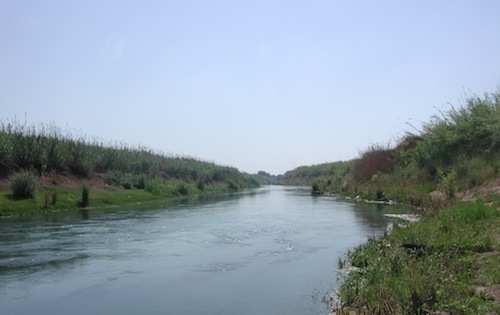
Cilician Plain Berdan River, Ancient Cydnos, Arabic Al Baradan
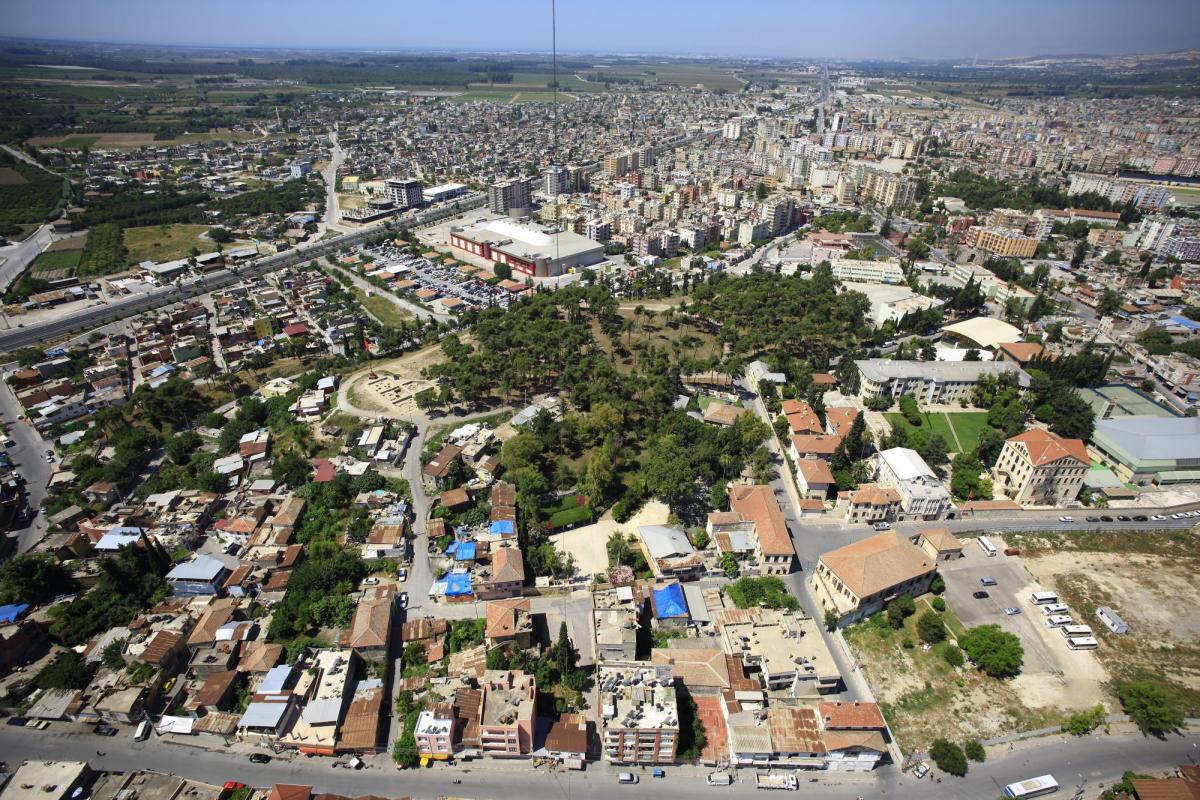
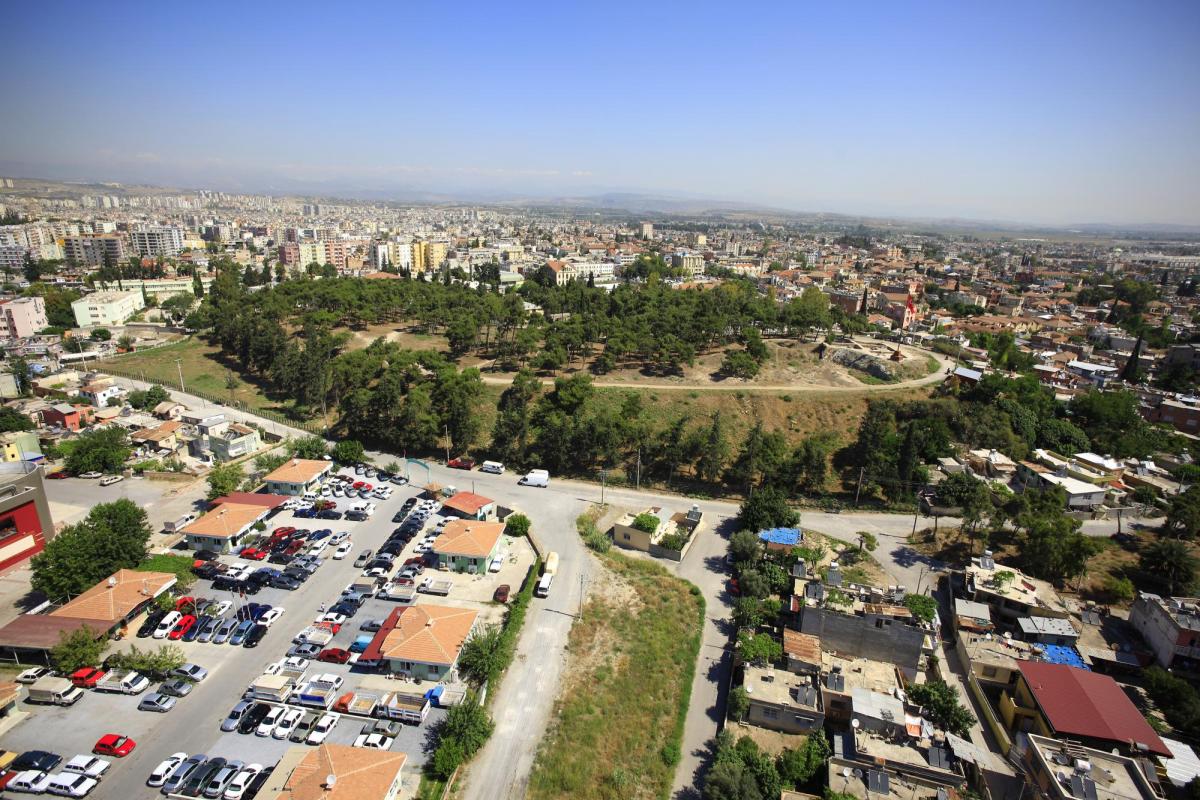
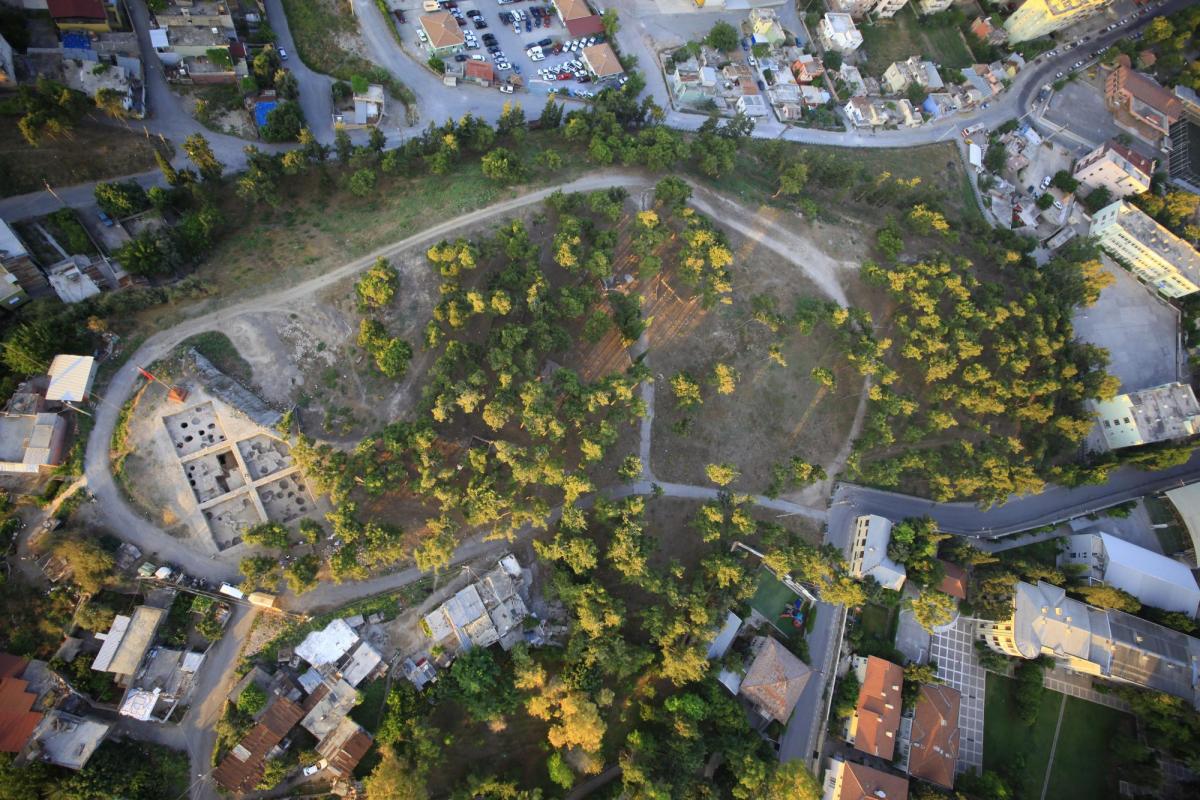
The mound located within the modern city of Tarsus is known today as Gözlükule, ‘tower with eyes.’ It is the highest point of the town, granting a clear view of the modern settlement around, as well as beyond into the plain and the delta of Berdan River to the south and the impressive Taurus range to the north. It is also an excursion destination for the Tarsians to catch some breeze during the hot and humid summer days. The name of this settlement is already attested in the Hittite period texts as Tarsa, which as geographical names of important locations usually do, withstood oblivion over several millennia and still lives on in the modern name ‘Tarsus.’
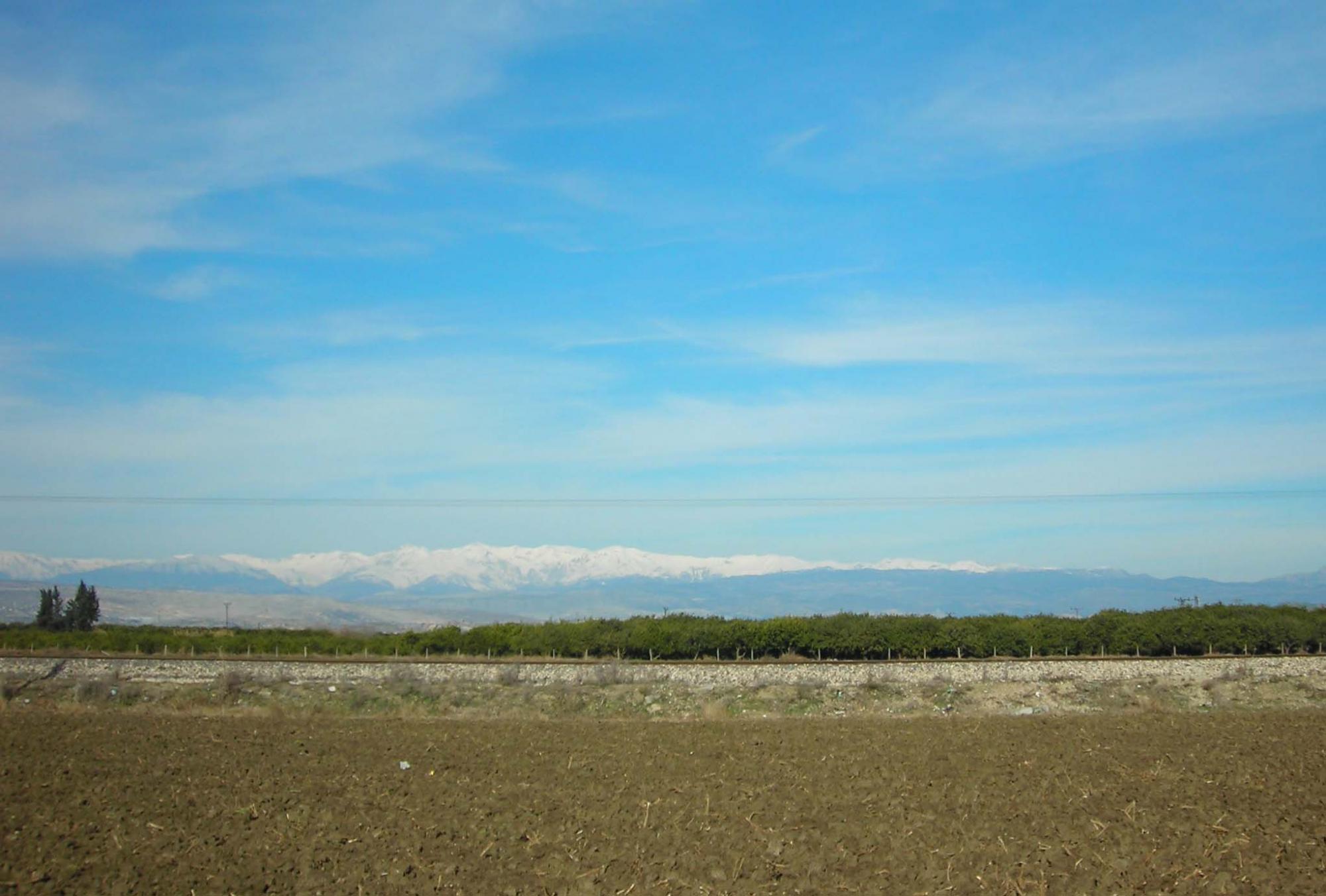
The mound lies to the south of modern Tarsus and rises more than 20 m above the ancient Cilician plain, today’s Çukurova. This fertile alluvial plain known as Kizzuwatna in the Bronze Age and Que/Hiyawa in the Iron Age is created by the silts carried incessantly through the rivers Berdan (Kydnos), Seyhan (Saros), and Ceyhan (Pyramos) for such geographical time spans that would dwarf the antiquity of the human-made changes to the landscape. The Taurus range to the north, rough Cilicia to the west, the Amanos Mountains to the east, and the Mediterranean to the south define its borders. The topography and temperate climate of the region provide a generous landscape, yielding agricultural surplus, suitable areas for husbandry, raw materials such as metals, minerals and timber, as well as access to the sea and its richer.
Active trade routes, both in-land and sea bound, were further incentives for settling here. The Cilician Gates (Gülek Boğazı) is the main pass through the Taurus Range and Gözlükule is the first settlement coming out of the pass southbound connecting Central Anatolia to the Mediterranean. This route also connects eastwards, to the Amuq and beyond, into Northern Syria. Initially the site was located on the banks of the partially navigable Berdan River (Kydnos), enabling ancient Tarsians to engage in maritime trade. Today the river flows to the east of the mound, where it was redirected by the Byzantian Emperor Justinian in the 6th century AD due to frequent overflows.